
Implant-supported crowns and bridges are advanced dental solutions that provide a durable and aesthetically pleasing alternative to traditional restorations. Many individuals in Katy, TX, may not fully understand the benefits and procedures associated with these options. This article aims to educate readers on the various types of implant-supported options available, the procedures involved, and the advantages they offer. By addressing common concerns and misconceptions, we hope to empower patients to make informed decisions about their dental health. Key sections will cover the types of implants, the procedure involved, benefits for patients, and important considerations to keep in mind.
Implant-supported crowns and bridges are designed to replace missing teeth with a stable and functional solution. These options utilize dental implants as anchors, providing a strong foundation for the prosthetic teeth. Patients in Katy, TX, can benefit from various types of implants, including single tooth implants and implant-supported bridges, which cater to different dental needs. Understanding these options is crucial for making informed choices about restorative dental care.
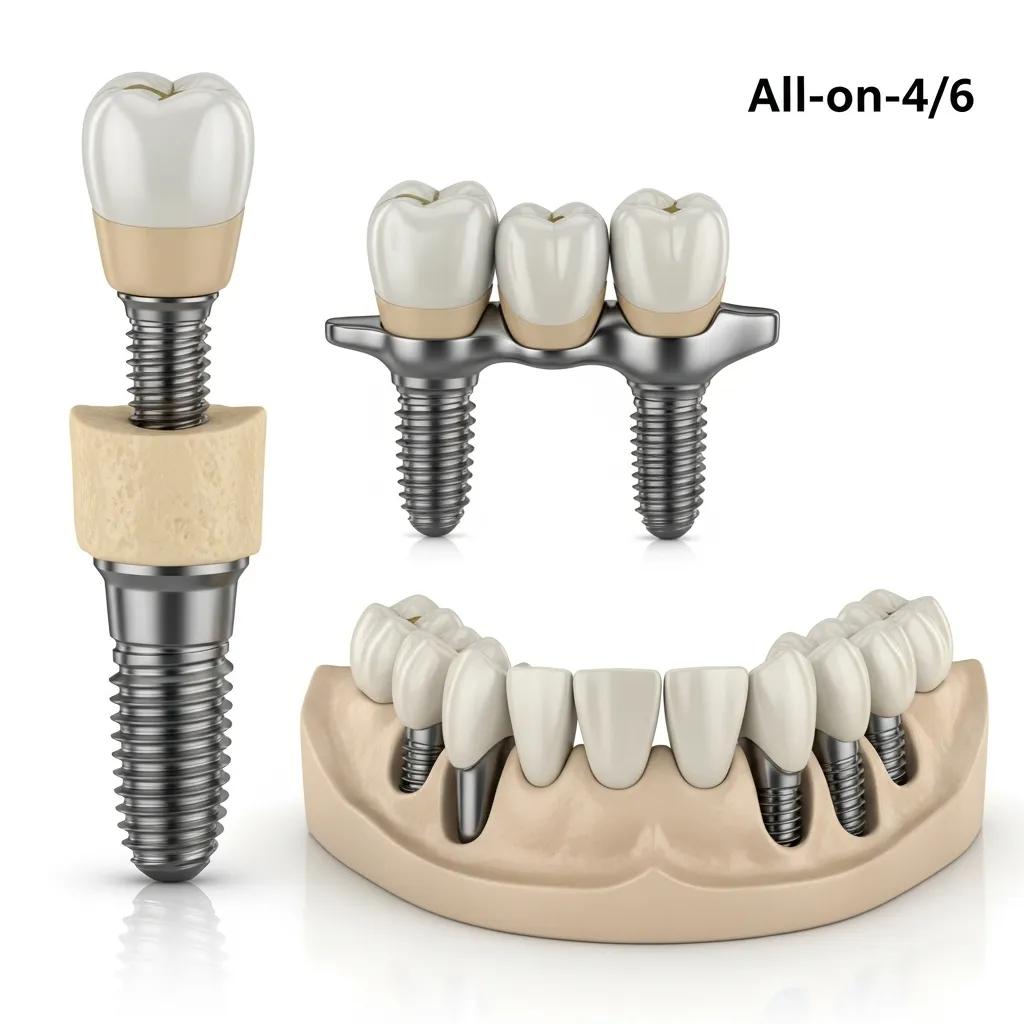
There are several types of implants available for patients seeking restoration options:
1. Single Tooth Implants: Ideal for replacing individual missing teeth, these implants consist of a titanium post that is surgically placed into the jawbone, topped with a crown.
2. Implant-Supported Bridges: These are used when multiple teeth are missing. The bridge is anchored by implants on either side, providing stability and support.
3. All-on-4/6 Implants: This technique allows for a full arch of teeth to be supported by just four or six implants, making it a solution for those needing extensive restoration.
The All-on-4 technique, in particular, has gained recognition for its effectiveness in providing full-arch restorations.
The process of receiving implant-supported crowns and bridges typically involves several key steps:
1. Consultation & Assessment: A thorough examination is conducted to determine the patient’s suitability for implants, including imaging studies.
2. Implant Placement: The titanium post is surgically inserted into the jawbone, serving as the root for the new tooth.
3. Healing & Osseointegration: Over a period of weeks, the implant fuses with the bone, providing a strong foundation.
4. Placement of Crowns/Bridges: Once healed, custom crowns or bridges are attached to the implants, completing the restoration.
Choosing implant-supported options offers numerous advantages, including:
1. Preservation of Jawbone: Implants stimulate the jawbone, preventing bone loss that often occurs with missing teeth.
2. No Damage to Adjacent Teeth: Unlike traditional bridges, implants do not require alteration of neighboring teeth.
3. Improved Functionality: Patients can enjoy enhanced chewing ability and speech clarity.
4. Aesthetic Appeal: Implant-supported restorations look and feel like natural teeth, boosting confidence.
5. Long-lasting Solution: With proper care, implants can last many years, making them a worthwhile investment.
For those considering these benefits, Shan Dental specializes in advanced restorative and cosmetic dental services, providing personalized treatment plans to meet individual needs.
Before opting for implant-supported crowns and bridges, patients should consider several factors:
1. Personalized Treatment Plans: Each patient’s needs are unique, and a tailored approach is essential for successful outcomes.
2. Healing Time: The osseointegration process can take several months, requiring patience and commitment.
3. Cost and Financing Options: Understanding the financial aspects, including potential insurance coverage, is crucial for planning.
4. Expert Care: Choosing a qualified dental professional is vital for ensuring the best results.
Implant-supported crowns and bridges are dental prosthetics anchored by implants, designed to replace missing teeth effectively. A crown is a single unit that covers a damaged tooth or replaces a missing one, while a bridge spans the gap created by one or more missing teeth, supported by adjacent implants. These solutions not only restore functionality but also enhance the aesthetic appearance of a patient’s smile.
Dental implants serve as artificial roots that provide stability for crowns and bridges. The process begins with a consultation and assessment to determine the best approach for the patient. Following the surgical placement of the implant, the healing phase allows the implant to integrate with the jawbone. Once healed, the crown or bridge is customized and attached, ensuring a secure fit that mimics the natural function of teeth.
Understanding the distinctions between these options is essential for patients:
1. Implant Crowns: Used to replace a single missing tooth, providing a natural look and feel.
2. Implant Bridges: Ideal for replacing multiple adjacent missing teeth, anchored by implants on either end.
3. Dentures: Removable appliances that can replace multiple teeth but may not offer the same stability or bone preservation as implants.
Patients in Katy, TX, may find several compelling reasons to choose implant-supported prosthetics:
1. Preservation of Jawbone Health: Implants help maintain bone density, preventing the sunken appearance often associated with tooth loss.
2. No Alteration of Adjacent Teeth: Unlike traditional bridges, implants do not compromise the integrity of neighboring teeth.
3. Enhanced Functionality and Aesthetics: Patients can enjoy improved chewing ability and a natural-looking smile.
4. Personalized Treatment Plans: Dental professionals can tailor solutions to meet individual needs and preferences.
5. Long-Term Outcomes: With proper care, implant-supported restorations can last many years, making them a durable choice.
Implant-supported options offer several advantages compared to traditional dental bridges:
1. Jawbone Health Preservation: Implants stimulate the jawbone, preventing deterioration.
2. No Alteration of Adjacent Teeth: Implants do not require reshaping of neighboring teeth, preserving their structure.
3. Durability and Longevity: Implants are designed to last many years, often outlasting traditional bridges.
4. Natural Appearance and Function: Implant-supported restorations closely resemble natural teeth, enhancing aesthetics.
5. Improved Oral Health: With no need for adjacent teeth to be altered, overall dental health is maintained.
At Shan Dental, personalized treatment plans are developed through a comprehensive assessment process. This includes evaluating the patient’s oral health, discussing their goals, and determining the most suitable implant options. Customization techniques ensure that each restoration meets the unique needs of the patient, while patient engagement strategies foster a collaborative approach to care.
Understanding the costs associated with implant crowns and bridges is essential for patients. Several factors influence the overall price, including the type of restoration, materials used, and the complexity of the procedure. Financing options may be available to help patients manage expenses, making these advanced dental solutions more accessible.
Several factors can affect the costs of implant crowns and bridges:
1. Type of Restoration: The complexity of the restoration impacts pricing.
2. Material Quality: Higher-quality materials may increase costs but offer better durability.
3. Customization: Tailored solutions may involve additional expenses.
4. Technology Used: Advanced techniques and equipment can influence overall costs.
5. Expertise of the Dentist: The experience and qualifications of the dental professional can affect pricing.
6. Additional Procedures: Any necessary preparatory work, such as bone grafting, may add to the total cost.
Shan Dental offers various payment plans and insurance options to accommodate patients seeking implant-supported restorations. Understanding these options can help patients make informed decisions about their dental care and financial planning.
To maximize the longevity and effectiveness of implant-supported prosthetics, patients should adhere to specific aftercare and maintenance practices. Regular dental check-ups and diligent oral hygiene are essential for maintaining the health of both the implants and surrounding tissues.
Patients should follow these recommended practices for optimal care:
1. Oral Hygiene: Regular brushing and flossing are crucial for preventing infection and maintaining gum health.
2. Regular Dental Checkups: Routine visits to the dentist help monitor the condition of the implants and overall oral health.
3. Dietary Considerations: A balanced diet supports healing and overall dental health.
Emphasizing the importance of these practices, patient education is crucial for maintaining the long-term health and success of dental implants.

Patient testimonials often highlight the positive experiences and successful outcomes associated with implant-supported crowns and bridges. Many individuals report improved quality of life, enhanced confidence, and satisfaction with their dental restorations, underscoring the effectiveness of these advanced solutions.